scəẁaθən məsteyəxʷ
Tsawwassen First Nation
Land Use Plan
Connecting People & Places across Tsawwassen Lands
The Land Use Plan reflected on this website sets out a shared vision for how Tsawwassen Lands will be cared for, used, and developed over the coming generations. Shaped by community voices, cultural values, and long-term planning, the plan provides detailed guidance across all land areas. We invite you to download the full 2025 Land Use Plan document to explore the vision, principles, and policies in their entirety.

ʔi ct scəw̓aθən təməxʷ Our Tsawwassen Lands
EXPLORE MAP ABOVE OR CLICK ON TOPIC BELOW TO READ ABOUT LAND USE


Village
The Village is the heart of the Tsawwassen community, where Members can live, gather, and access everyday services close to home. It will continue to grow in a way that reflects Tsawwassen culture, supports Elders and families, and provides safe streets, community spaces, housing choices, and opportunities for Member-owned businesses.
Objective
Our objective is to maintain community character and continue building the community near the water for Members to live, work and play. Protect cultural roots, ecological environment, and traditional activities such as hunting and medicinal plants.
Village Centre Action Area
We are developing a planned village centre that provides diverse Member-facing Services is a community priority. This is also an opportunity to preserve community character, develop a cultural identity and create a central hub for TFN members to live, work and play.
Tsawwassen Beach Action Area
Tsawwassen Beach vacant land area is identified for a future comprehensive development centred around a Cultural Centre. During the engagement sessions, Members emphasized the importance of cultural knowledge sharing and creating community water front access.
Policies
- Plan and develop a Cultural Centre.
- Plan and develop a Village Centre with facilities and services focused on Members.
- Plan and develop a civic plaza near the legislature to serve Members and leasehold residents.
- Plan a new cemetery to complement the existing one.
- Establish an assisted living facility for Elders.
- Support Member businesses by allowing compatible commercial and service uses.
- Provide controlled vehicle access at both ends of Tsawwassen Drive.
- Build and upgrade site services infrastructure to modern standards in collaboration with Members.
- Improve streetscaping and sidewalks on Tsawwassen Drive and Falcon Way to enhance safety, reflect cultural values and ensure functional design.
- Deliver moderate-density housing options with varied tenures and types for Members, including turnkey homes.

Neighbourhood
The Village is the heart of the Tsawwassen community, where Members can live, gather, and access everyday services close to home. It will continue to grow in a way that reflects Tsawwassen culture, supports Elders and families, and provides safe streets, community spaces, housing choices, and opportunities for Member-owned businesses.
Objective
Our aim is to ensure quality development with well-integrated green spaces and compatibility with the adjacent TFN Community Area.
POLICIES
- Continue development in accordance with TFN's Neighbourhood Plans, which will be updated as needed.
- Promote timely project delivery by TFSI developers through effective collaboration.
Tidal Marsh & Bluff
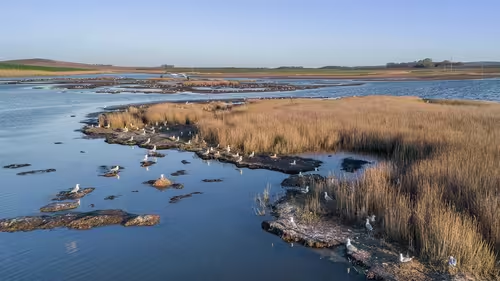
The Tidal Marsh is an important natural and cultural area that must be carefully managed to protect wildlife habitats, medicinal plants, and sensitive ecosystems, while supporting flood protection efforts.
The Bluff must also be protected to preserve archaeological sites, maintain slope stability, and safeguard natural habitat, including the Pacific Great Blue Heron rookery.
Objective
Our objective is to maintain community character and continue building the community near the water for Members to live, work and play. We must also protect cultural roots, critical plant and animal environments, and traditional activities such as hunting and medicinal plants.
Herons
Future Landbridge
Community Area Secondary Plan
Policies

Mixed Use Area
The Mixed Use Area supports a range of commercial, entertainment, and service uses that serve both the Tsawwassen community and the wider region. It consists of the Tsawwassen Mills and the Tsawwassen Commons parcels, and the total land area is approximately 69 hectares.
Future development will create a walkable, transit-friendly area that reflects Tsawwassen culture and contributes to a complete, vibrant community.
Objective
Our goal is to support broader commercial, entertainment and services uses to meet local residents as well as regional needs, and to support appropriate additional market opportunities.
Policies
- Continue development of vacant sites.
- Allow for long-term residential development opportunities that advance TFN’s prosperity and align with market demands and the Mixed Use Area Development Strategy.
- Incorporate elements of Tsawwassen culture in new development.
- Contribute to a complete community by creating diverse uses, walkable and bike-friendly street networks, improvements to transit service, and vibrant new public spaces.
Future Secondary Plan
TFN is currently working on a Secondary Plan for the Mixed Use Area to further guide future land use and development efforts.

Industrial & Employment
The Industrial and Employment Lands are planned as a long-term logistics, distribution, and employment hub that supports economic stability for Tsawwassen First Nation. The industrial land designation is approximately 135 hectares. Development will balance economic opportunity with environmental protection, community well-being, and high standards for design and operations.
Objective
Ensure long term economic viability of the industrial lands by creating a national gateway logistics and distribution hub, balancing the pursuits of maximizing wealth generation, environmental stewardship, revenue stability and a positive social impact for the TFN Community.
Industrial Waterfront Parcel Study Area
This parcel provides desirable access to the waterfront with opportunities for custom industrial uses, housing and community uses. Further studies and consultation will help identify balanced land use options reflecting future development, environmental protection and Member needs.
Sewage Treatment Plant
The TFN Sewage Treatment Plant is a critical piece of community infrastructure that supports current and future growth on Tsawwassen Lands. The $27 million facility was designed to protect surrounding lands and waters by treating wastewater to high environmental standards, while providing long-term capacity to support housing, community facilities, and economic development.
Future Secondary Plan
TFN is currently working on a Secondary Plan for the Industrial and Employment Lands to further guide future land use and development efforts.
Policies
- Use the vision, framework and processes outlined in the Industrial and Employment Lands Secondary Plan and the Industrial Land Strategy, as a foundation to ensure successful comprehensive development on these lands.
- Complete a review of future use opportunities and land use options for the water-facing area, with the aim of maintaining the integrity of industrial lands’ trade-enabling role.
- Periodically update land suitability and market analysis to ensure optimal land use mix around a core trade-enabling function.
- Update the Industrial and Commercial Design Guidelines as necessary. Establish an ecological management zone along the shoreline. Complete landscaping with culturally appropriate planting and maintain the buffer zone adjacent to the community with a high environmental standard.
- Large-scale commercial retail will not be permitted in this area, focus retail uses on those serving the daily needs of local industrial area employees.
- Avoid heavy industrial with significant environmental impacts on lands and waters.
- Establish community standards at the border between industrial lands and the community area to manage noise, dust and odours.
- Integrate alternative energy sources (e.g. solar panels or district energy) where viable.
Agricultural Areas
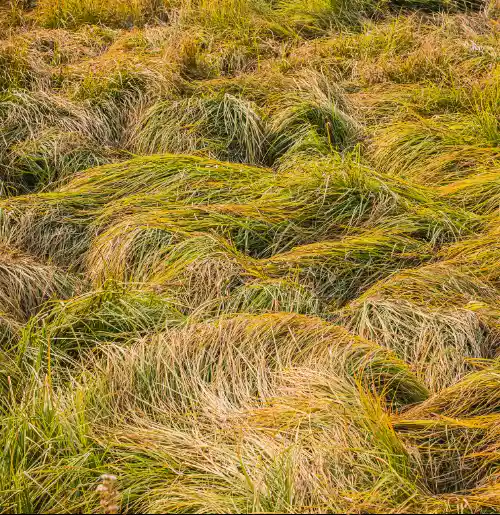
The Agricultural Areas support food security, farming, and land-based economic activity for the Nation. These lands will be managed to protect agricultural use while exploring opportunities such as the community farm, managed forest, and future growth planning at Brunswick Point.
Our objective is to provide food security for the Nation and promote economically viable agricultural development.
Other Lands
Right of Refusal Lands
Right of Refusal Lands provide Tsawwassen First Nation with opportunities to expand its land base when lands within the treaty area become available. These lands support long-term planning, self-determination, and future opportunities for housing, cultural use, environmental protection, or economic development.
Future-Based Land Additions
Future Land Base Additions allow Tsawwassen First Nation to strategically grow its land holdings over time. These additions support the Nation’s long-term vision by creating opportunities to strengthen cultural connections, meet community needs, and support sustainable economic growth.
Boundary Marker House Posts
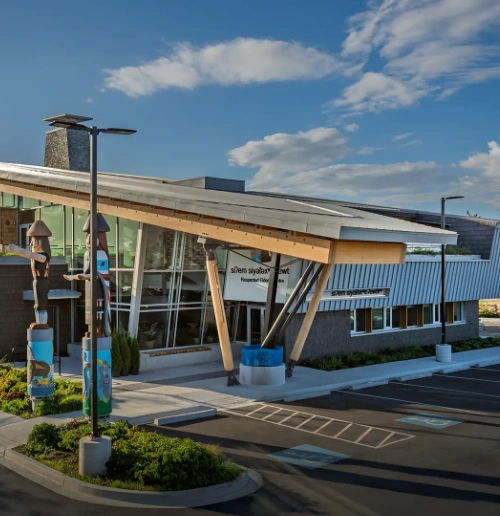
Boundary marker house posts are carved cultural markers that identify important places on Tsawwassen Lands. They share stories of Tsawwassen history, teachings, and connection to the land, reminding all who pass by of TFN's eternal relationship with these lands.

Parks, Open Spaces & Blueways
Parks, open spaces, and blueways provide places for recreation, cultural activities, and connection to land and water. These areas will be planned to support ecological health, protect shorelines and waterways, and strengthen community wellness and cultural identity.
Objective
Our goal is to create culturally meaningful, ecologically resilient, and socially connected spaces that strengthen community wellness and identity, address climate change, while maintaining TFN’s stewardship commitments.
Water Lots
Through Treaty TFN secured a 99-year lease agreement for two water lots totaling approximately 456 hectares (1,126 acres). Additionally, under a Memorandum of Agreement with the Vancouver Fraser Port Authority (formerly Port Metro Vancouver), TFN has rights to two water lots located on either side of the Roberts Bank Causeway, totaling 451 hectares (1,114 acres). These areas are valued for their ecological functions, cultural uses, and recreational potential. TFN also holds Treaty-protected fishing rights over the waters within its traditional territory.
Policies
- Develop parks as safe, welcoming spaces for recreation, cultural expression, and community events.
- Ensure parks are accessible and integrated with neighbourhoods, schools, and community facilities.
- Design open spaces to protect ecology, support biodiversity, and allow for the exercise of Tsawwassen culture.
- Advance the Great Blue Heron Way as a cultural and ecological trail network.
- Integrate gathering spaces into neighbourhoods and corridors to support placemaking.
- Protect and restore blueways systems to improve the health of TFN’s shorelines, wetlands, and watercourses for future generations.
- Provide culturally and ecologically suitable access to foreshore and waterways for recreation, education, and cultural revitalization.
Study & Action Areas
Action Areas identify places where timely decisions and coordinated planning are needed to move priority projects forward. Study Areas allow time for further research, technical studies, and community input to ensure future land use decisions are made carefully and in the best interest of the Nation.
Action Areas
Village Centre
We will plan and to develop a village center that provides diverse Member-facing Services is a community priority. This is also an opportunity to preserve community character, develop a cultural identity and create a central hub for TFN members to live, work and play.
Tsawwassen Beach
The Tsawwassen Beach vacant land area is identified for a future comprehensive development centred around a Cultural Centre. During the engagement sessions, Members emphasized the importance of cultural knowledge sharing and creating community water front access.
Managed Forest
A Managed Forest will be developed within a portion of the community farm parcel, while retaining the agricultural land use designation. This pilot project will allow us to explore the creation of a space with more cedar trees, medicinal plants, hunting zones, wetlands and green spaces.
Study Areas
Industrial Waterfront Parcel
This parcel provides desirable access to the waterfront with opportunities for custom industrial uses, housing and community uses. Further studies and consultation will help identify balanced land use options reflecting future development and protection and Member needs.
13-Acre Parcel
Members shared ideas of variety of community uses on this parcel including residential, cemetery, business and light industrial uses. Further studies and consultation will help identify uses to address Member needs and keep this former reserve land for Member use by including it in the TFN community area.
Port Adjacent Use Area
This agricultural land near to the port and adjacent to the Brunswick Point lands is identified as Port Adjacent Use study area. During engagements, Members expressed interest in leading food security and other market uses, protecting farming and hunting activities, considering financial benefits and exploring growth opportunities of Brunswick Point lands. Conducting detailed study on Port adjacent area will help identify future use opportunities and development options.

Transportation
Tsawwassen Lands are bisected by regional roads, Highway 17 and Deltaport Way. Major roads within the TFN jurisdiction including 52nd Street, Salish Sea Drive, Salish Sea Way, Tsawwassen Drive and 41B Street provide key connections to these regional roads.
TFN needs to support sustainable transportation choices to meet current and future needs, and planning for land relationships with balanced growth supports the Metro 2050 Vision.
Objective
Our goal is to prioritize active transportation and enhance mobility and accessibility on Tsawwassen Lands, serving both local and regional economic needs.
Policies
- Develop a safe, accessible and integrated road network along with improved traffic control and signage.
- Collaborate with provincial and regional agencies to integrate with the broader transit system.
- Require new developments to dedicate land for road rights-of-way and trail connections.
- Monitor potential traffic impacts of continuing development, especially impacts on the regional network, including Highway 17, Deltaport Way and the 41B Street overpass.

Infrastructure
TFN’s key infrastructure, including the TFN Sewage Treatment Plant, trunk sanitary sewers, stormwater trunk systems, pump stations, trunk watermains, waste and garbage collection, streetscape, and lighting – has largely been delivered through commercial and residential market developments, with financial support from TFN through the Offsite Levies (OSL) program. Upgrades to third-party utilities, such as telecommunications and hydroelectric services, have followed the trend of these developments.
The TFN Community Area has been served by sewer and water infrastructure since 2000, however, other infrastructure needs such as sidewalks, lighting, drainage, and vehicle access were not fully addressed at that time. A collaborative approach to infrastructure implementation on Member-owned lands, along with ongoing maintenance are key to ensuring infrastructure continues to evolve in response to changing community needs.
Objective
We aim to build resilient, climate-responsive infrastructure that reflects Tsawwassen culture and supports a thriving, inclusive community.
Policies
- Improve physical infrastructure within the Village area to meet modern standards and expectations for roads, lighting, drainage, sewage, and water distribution.
- Deliver municipal infrastructure including roads, lighting, drainage, sewage, and water distribution through development.
- Maintain municipal infrastructure including roads, lighting, drainage, sewage, and water distribution through on-going maintenance planning and asset management.
- Improve stormwater conveyance and management design to support habitat, climate resilience, and cultural uses.
- Support infrastructure development through market projects and OSL.
- Collaborate with third-party utilities, including telecommunications, hydro, gas, and developers to ensure infrastructure delivery.

Herons
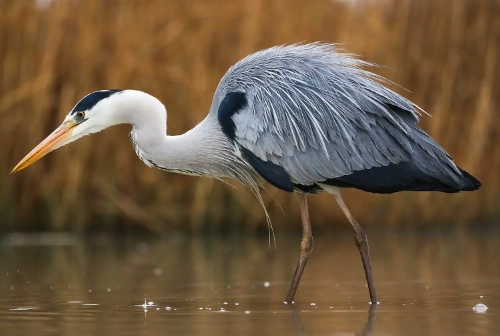
Canada’s Largest Heron Rookery
The Bluff is a vital sanctuary for the Pacific Great Blue Heron. Around 400 nests and over 800 birds can be found here year-round. These ancient birds have been watching over TFN for generations.
Great Blue Heron Way Boardwalk
sməq,ʷaʔ xeł, the Great Blue Heron Way (GBHW) is a visionary cultural and ecological trail project that connects TFN to neighbouring Nations and communities through a network of new and existing pathways. The vision for the GBHW has been inspired by the leadership of Tsawwassen First Nation Elder xʷasteniya (Ruth Adams). Its intended purposes are educational and functional, underpinned by a welcoming cultural expression from the Tsawwassen First Nation as a Host Nation. sməq,ʷaʔ xeł embodies TFN’s commitment to intergenerational learning, reconciliation, and environmental stewardship.
Future Landbridge
The future landbridge will reconnect Tsawwassen Lands that have been divided by Highway 17, helping restore movement within the community. It is envisioned as a safe, accessible connection that supports strengthens cultural ties to the land and improves long-term community connectivity.
Policies
- Establish an ecological management zone in the Tidal Marsh to protect habitat and medicinal plants, and coordinate with the flood risk adaptation project.
- Establish an ecological management zone in the Bluff to protect archaeology site and materials, preserve natural habitat and stabilize the slope.
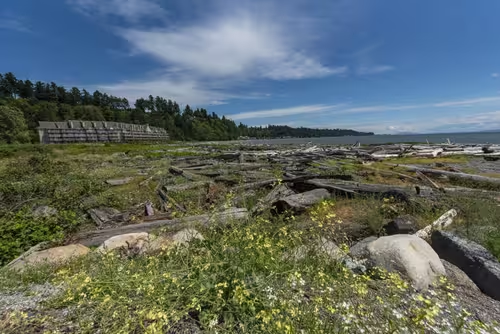
Community Farm
The Community Farm is a growing, land-based initiative that supports food security, learning, and connection to the land for Tsawwassen Members. It provides space for farming, community participation, and future opportunities such as traditional plants, managed forest areas, and intergenerational knowledge sharing.
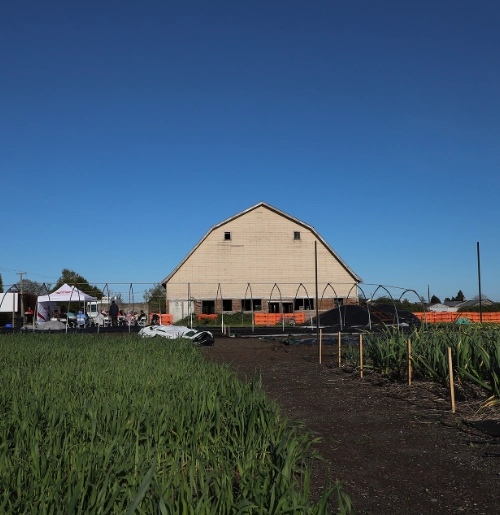
Managed Forest Action Area
A Managed Forest will be developed within a portion of the community farm parcel, while retaining the agricultural land use designation. This pilot project will allow us to explore the creation of a space with more cedar trees, medicinal plants, hunting zones, wetlands and green spaces.
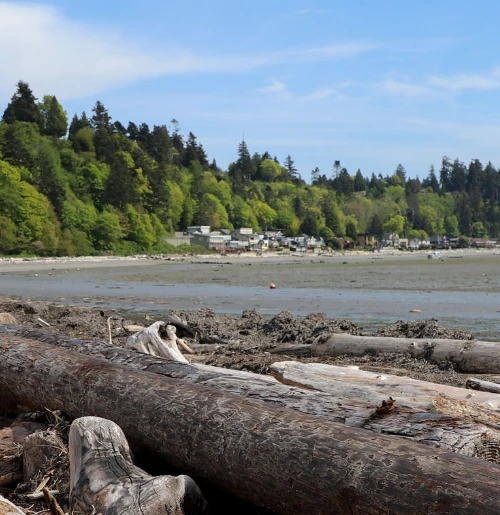
Port Adjacent Study Area
This agricultural land near to the port and adjacent to the Brunswick Point lands is identified as Port Adjacent Use study area. During engagements, Members expressed interest in leading food security and other market uses, protecting farming and hunting activities, considering financial benefits and exploring growth opportunities of Brunswick Point lands. Conducting detailed study on the Port adjacent area will help identify future use opportunities and development options.
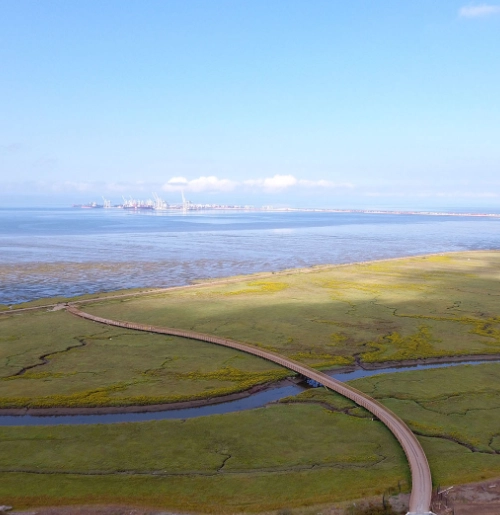
Potential Emergency Services
This agricultural land near to the port and adjacent to the Brunswick Point lands is identified as Port Adjacent Use study area. During engagements, Members expressed interest in leading food security and other market uses, protecting farming and hunting activities, considering financial benefits and exploring growth opportunities of Brunswick Point lands. Conducting detailed study on the Port adjacent area will help identify future use opportunities and development options.

Policies
- Manage agricultural lands through TFN laws and regulations.
- Continue to develop the TFN Community Farm
- Implement the agricultural business plan
- Establish TFN’s managed forest
- Develop a Brunswick Point Lands Growth Plan, including detailed study of future use opportunities and development options for the Port Adjacent Area

Future Secondary Plan
TFN is currently working on a Secondary Plan for Brunswick Point to further guide future land use and development efforts.

Brunswick Point
Brunswick Point is a significant land area added to the Tsawwassen land base, totaling approximately 80 hectares, with 70 hectares now fully incorporated into Tsawwassen Lands. These lands are primarily designated for agricultural use and long-term planning.